
We study the mechanisms by which mammalian cells defend themselves against viruses, how viruses evolve to escape from such cellular strategies, and how viruses can be used to specifically destroy cancer cells.
Viruses have been roaming around this planet for millions of years. They represent the smallest of all self-replicating entities, consisting—in their most basic form—of a nucleic acid genome protected by a protein shell. Lacking bioenergetic organelles and a protein synthesis machinery, viruses are obligate intracellular parasites that can only replicate within the specific cells they target. However, cells are dynamic units of life and, as such, will respond to stimuli and alter their biochemical processes to maintain homeostasis. Thus, understanding viral infections requires the study of cells at the molecular level and, similarly, this interactive system provides us with the ideal scenario to study how cells respond and protect themselves against infectious agents.
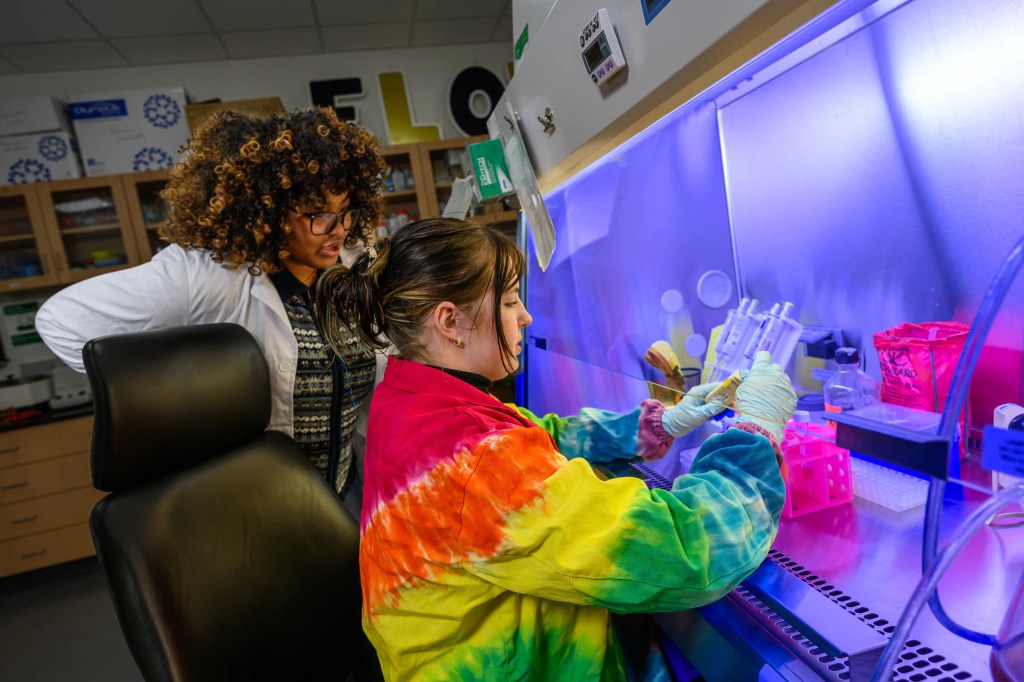
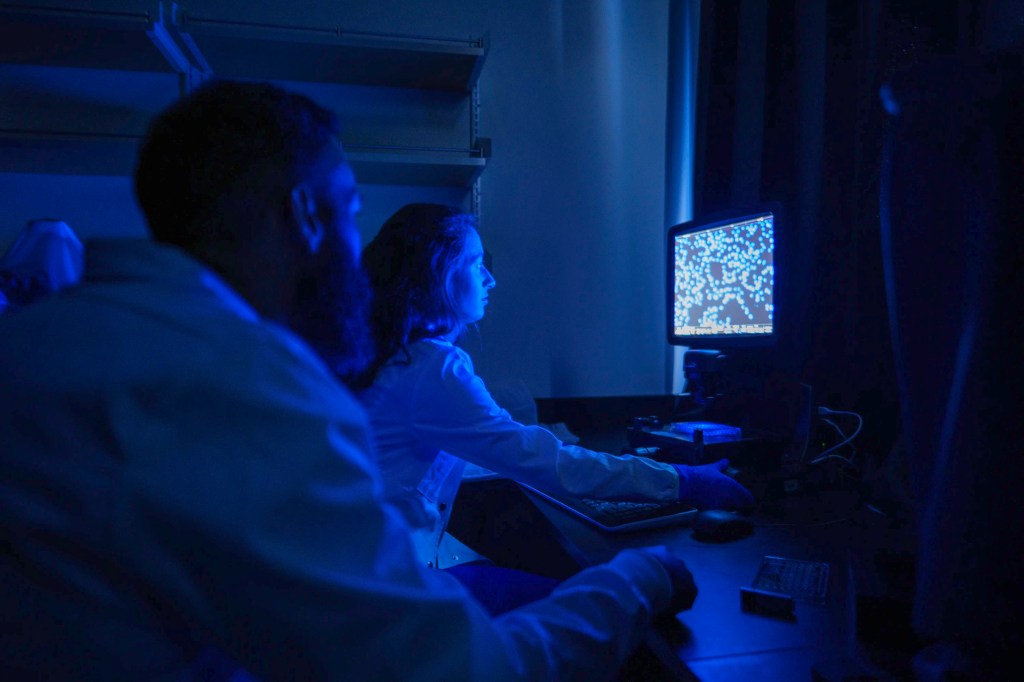
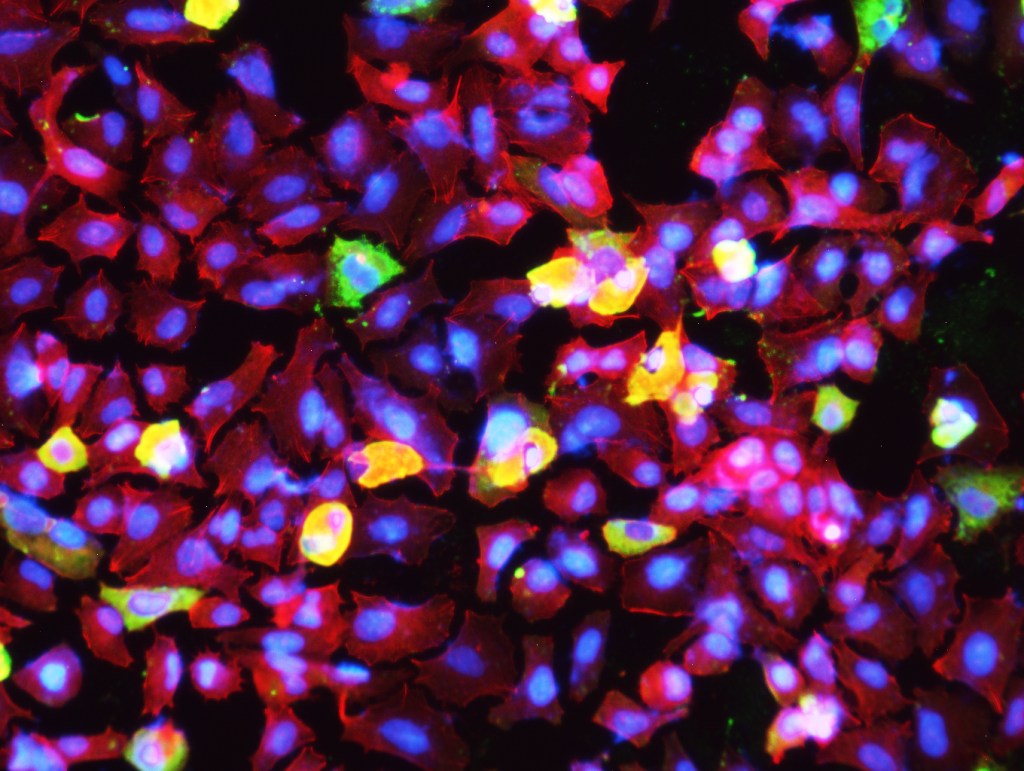
Our expertise lies in the immune interactions between mammalian viruses and the cells they infect at the biochemical level (see our Research tab). Our overarching goals span a better understanding of how cells respond to viral infections, how viruses quickly evolve to overcome these immune barriers, and how viruses can be used to selectively target and destroy cancer cells. We use a combination of human cell culture models, molecular genetics, and biochemistry approaches to answer these questions.

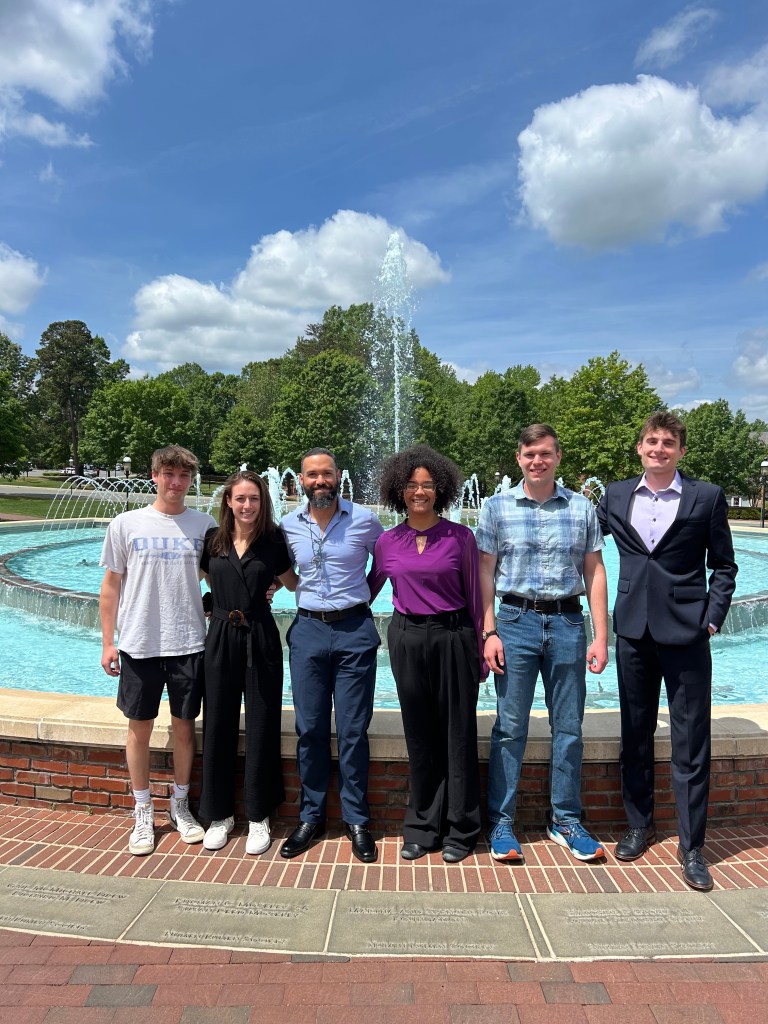

 Rivera-Serrano research laboratory